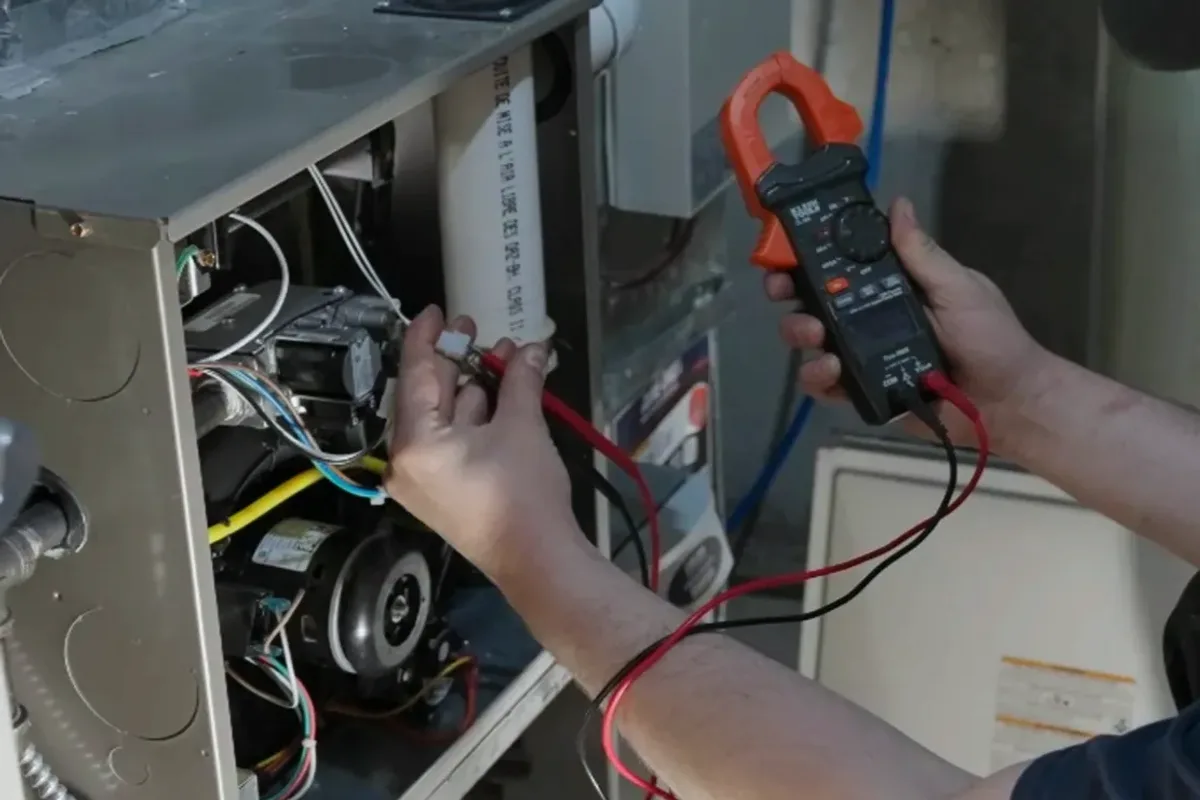
Request furnace repair for a property in Leamington. Include the equipment, the problem or planned work, and your location so the request can be reviewed.
Does the furnace fail to start, or does it run while delivering weak or uneven heat?
A furnace that will not start, runs constantly, makes unusual noise, or produces weak heat can have several different causes. Repair assessment should distinguish an ignition or burner fault from restricted airflow, a control problem, or heat escaping through ductwork. The fuel and furnace design also matter: gas, propane, and oil equipment have different components and service requirements. Describe the symptoms, when they occur, and any recent changes so the service request can be matched to the issue.
Diagnosis begins with the reported heating cycle and the furnace's fuel and model. Weak heat during constant operation can point toward airflow restriction, a limit-control issue, or duct leakage, while a no-start condition may involve ignition or another control. Comparing symptoms with equipment records helps define the repair without treating every fault as the same problem.
Gas, propane, and oil furnace repair
No-start, weak-heat, airflow, and control diagnosis
Repair history and maintenance findings
Assessment and Scope
Questions for the Proposed Work
01
Separate weak airflow from a heating fault
If the furnace runs but rooms receive little heat, the cause may be restricted airflow, a component limiting the heating cycle, or leakage in the supply ducts. Those observations matter because replacing an ignition part would not correct a duct problem. A service assessment can compare airflow and operating behaviour with the furnace design and inspect relevant controls and connections to identify where heat delivery is interrupted.
02
Match diagnosis to fuel and components
Gas, propane, and oil furnaces do not share every ignition and burner component, so the fuel type and model information help narrow the inspection. A furnace that does not start may have an ignition, fuel-delivery, or control fault; noise may instead point toward a moving component. Fuel and combustion-related work should be assessed by a qualified professional, not attempted by occupants. Existing service records can clarify recurring or recently replaced parts.
03
Use repair history to weigh replacement
A single component failure may support repair, while repeated faults, unavailable parts, or a pattern of declining heat delivery can change the replacement discussion. Compare the current defect, the furnace's condition, and the history of recent repairs rather than judging by age alone. Maintenance findings, such as airflow restrictions or burner concerns, also define separate work from a repair. Manufacturer instructions and inspection results should guide any maintenance recommendations.
Compare the next step
Identify the work that happens before and after duct or electrical changes so a furnace fault is assessed in the correct construction context. Ask how equipment will be protected during dusty work and which operating checks follow completion. Keep required access open rather than plan the mechanical-room finish independently.
Leave burner, fuel, venting, electrical, and internal equipment work to a qualified contractor. Do not bypass a safety switch or repeatedly reset a furnace.