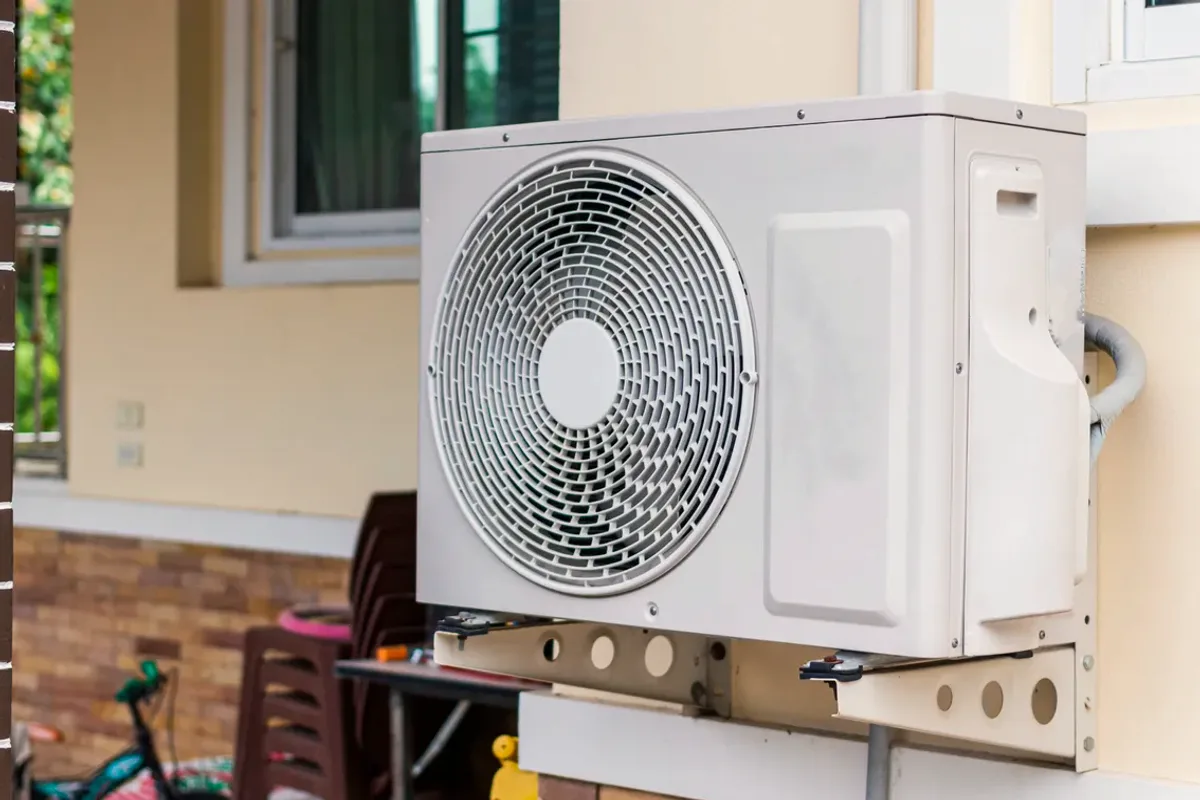
Request heat pump repair & installation for a property in Leamington. Include the equipment, the problem or planned work, and your location so the request can be reviewed.
Is the problem occurring during heating, cooling, or both, and does it affect every indoor unit?
A heat pump that ices up, runs continuously, leaves rooms cold, or fails to cool may have a fault that differs by equipment type and operating mode. Air-to-air systems and ductless mini-splits have distinct airflow paths, controls, and indoor equipment, so identifying the model and affected areas matters. Repair and installation are separate decisions: a defined component fault may be repairable, while repeated problems or an unsuitable existing system may prompt replacement planning. Describe the symptoms and recent operating changes in the service request.
Diagnosis should establish whether the system is ducted air-to-air or ductless, when icing or weak output occurs, and how the controls respond. Defrost operation, airflow, electrical components, and the refrigerant circuit may require professional inspection. For replacement, the existing distribution, intended rooms, equipment capacity requirements, and operating conditions inform selection. Repair records help distinguish an isolated fault from a recurring system problem.
Air-to-air and ductless heat-pump repair
Icing, defrost, airflow, and refrigerant-circuit faults
Heat-pump replacement and system selection
Assessment and Scope
Questions for the Proposed Work
01
Investigate icing and reduced output
Ice on a heat pump can relate to outdoor conditions, airflow, defrost operation, or a system fault, so the location and timing of icing are useful diagnostic details. Continuous operation with cold rooms may also indicate an output, distribution, or control issue. Air-to-air and ductless models differ in how air reaches the rooms, which changes the inspection. Do not bypass controls or repeatedly reset equipment; report the observed pattern for professional assessment.
02
Distinguish repairable faults from recurring issues
A worn electrical component or a confirmed airflow problem may lead to a focused repair, while suspected refrigerant loss requires professional leak diagnosis and proper handling. Similar symptoms can have different causes, so replacing a part without confirming the fault may not resolve the issue. Compare the repair finding with the system's age, previous faults, and condition. This evidence helps keep repair and replacement as distinct options rather than treating every performance complaint as an installation request.
03
Define replacement requirements before selection
If replacement is being considered, selection should reflect the rooms served, existing ductwork or ductless layout, electrical requirements, and the system's heating and cooling role. Equipment described for colder operating conditions must still be assessed against the property's actual requirements and manufacturer data. Compare the proposed capacity and distribution with the existing setup instead of relying on the old unit's rating alone. Installation planning is separate from diagnosing or repairing the current equipment.
Compare the next step
Agree on a mechanical design before the renovation closes access to ducts, controls, and wiring. Ask which contractor owns each interface and what happens if the planned envelope work changes. Record the final equipment models and commissioning sequence after the related construction and electrical work are complete.
Cold-climate capability does not prove that one model covers every home heating load. Ask how the selected equipment and supplementary heat meet the actual design requirements.