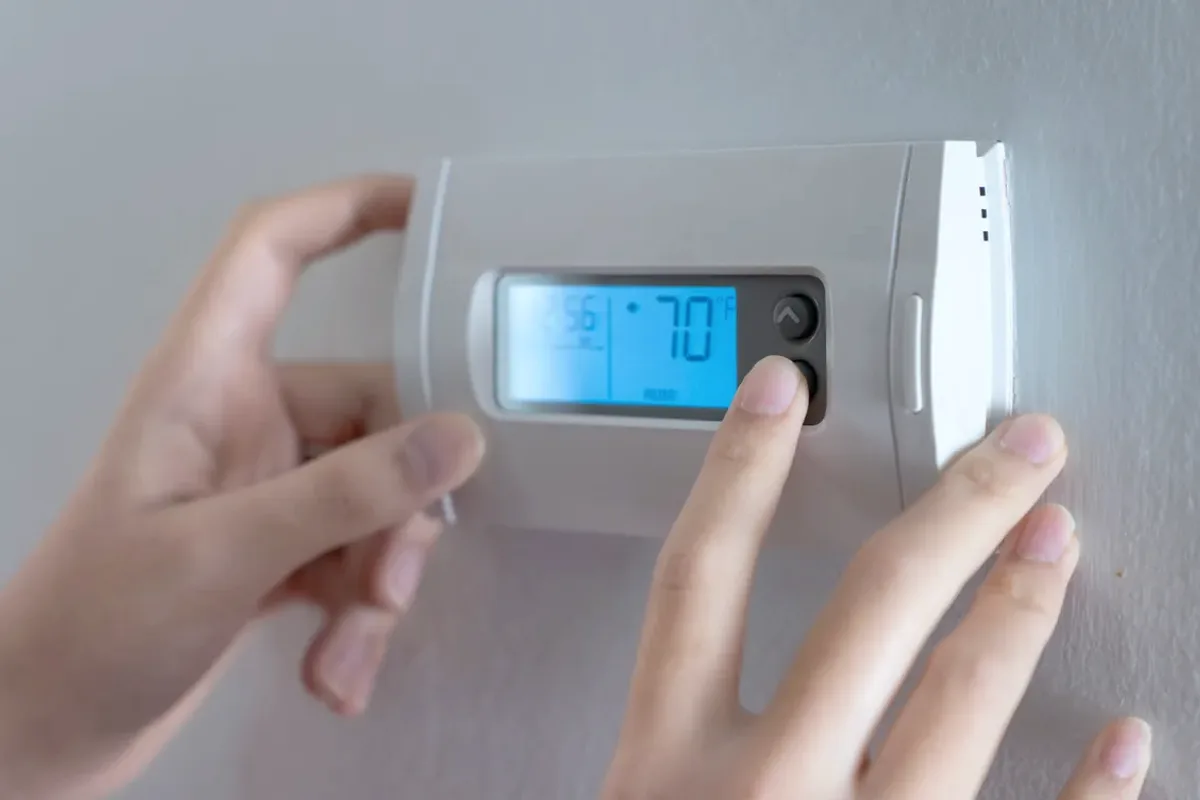
Request thermostat repair & replacement for a property in Leamington. Include the equipment, the problem or planned work, and your location so the request can be reviewed.
What heating or cooling equipment does the thermostat control, and what does its display or operation do incorrectly?
A thermostat that will not turn on, reads a different temperature from the room, or causes irregular heating or cooling may have a sensing, power, wiring, or compatibility problem. The connected system matters: a furnace, boiler, and heat pump may use different control signals or stages. Repair may be appropriate when a specific sensor or connection fault is confirmed; replacement may be considered when the control is incompatible, damaged, or unable to operate the required stages. Describe the equipment and symptoms when requesting service.
A professional assessment can compare the displayed temperature with room conditions, check thermostat power and wiring, and verify the call to the connected equipment. Compatibility depends on the system type and its control stages, not merely the thermostat brand. These findings help separate a repairable connection or sensing issue from a control that needs replacement. Internal electrical measurements should be handled by a qualified professional.
Thermostat sensing, wiring, power, and control diagnosis
Compatibility with furnaces, boilers, and heat pumps
Programmable or smart thermostat replacement
Assessment and Scope
Questions for the Proposed Work
01
Trace inaccurate readings and irregular cycles
A temperature mismatch may come from sensor placement, calibration, wiring, or a problem elsewhere in the connected equipment. Short or irregular cycles can also result from a control signal or system fault, so the thermostat should not be blamed without checking its operation end to end. Comparing the display with room conditions and reviewing when the behaviour occurs helps direct diagnosis. This evidence can distinguish a thermostat repair from a separate furnace, boiler, or heat-pump issue.
02
Verify control compatibility before replacement
A replacement must be compatible with the connected equipment, available wiring, and required heating or cooling stages. A control intended for a simple furnace may not support the functions of a heat pump or a boiler system. Confirming the model and wiring arrangement before selection helps avoid a control that cannot operate the equipment as intended. Smart and programmable features are options to compare, not proof of compatibility or a reason by themselves to replace a functioning thermostat.
03
Decide whether repair or replacement fits
A confirmed loose connection or correctable sensor issue may support repair, while a damaged control or one unable to manage the equipment's required stages may call for replacement. Compare inspection readings, the thermostat model, and the symptoms before deciding. Thermostat work can involve internal electrical connections, so occupants should not attempt live measurements or bypass controls. Any scheduling or remote-control features should be considered only after compatibility with the existing HVAC system is established.
Compare the next step
Plan control wiring and sensor locations alongside the equipment design, then confirm the final wall and room use before closing finishes. Ask who connects and configures the controls after construction. The handover should demonstrate normal heating and cooling operation rather than stop at powering up the display. Agree on who documents the final equipment configuration and which wiring remains accessible. If the renovation changes room use or partitions, confirm that the finished sensor locations still serve the agreed control plan.
Thermostat wiring is not universal. Do not connect wires by colour alone or work on energized wiring; a compatible control must be configured for the equipment it serves.